
Foundations Built at Engineered Depths
Basement Excavation in Clarksville for new construction projects requiring below-grade living or storage space
Basement excavation removes soil to depths that exceed standard foundation work, creating space for below-grade rooms while maintaining stable walls and floor elevations. Rock Excavation LLC handles basement excavation in Clarksville for residential new construction where architectural plans specify finished lower levels or walk-out designs that follow sloped terrain. The work involves removing material to precise depths, maintaining slope angles that prevent wall collapse, and coordinating with foundation contractors to ensure excavated dimensions match formwork and waterproofing requirements.
Excavation begins after site layout confirms the basement footprint and depth, then equipment removes soil in stages to avoid undermining adjacent areas. Walls are cut at angles that provide stability until foundation forms are placed, and the floor is excavated to elevation specified in structural drawings, accounting for gravel base and slab thickness.
Request a detailed estimate based on basement dimensions, soil conditions, and site access constraints before construction schedules are finalized.
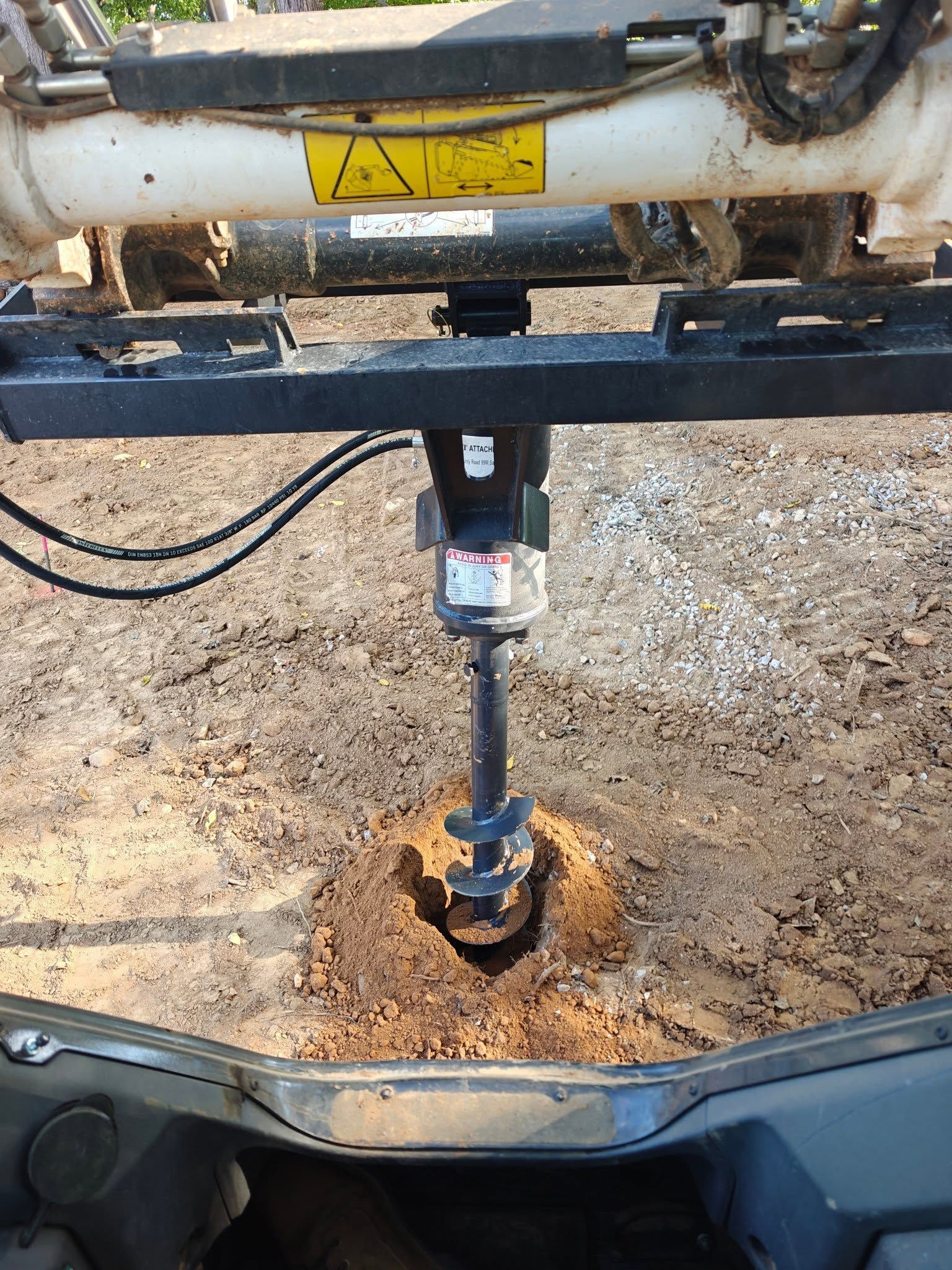
What Changes After Excavation Is Finished
Excavating a basement means cutting into soil layers that vary in composition, moisture content, and stability, which is why the process includes managing groundwater, verifying dimensions, and leaving surfaces ready for immediate foundation work. Rock Excavation LLC uses equipment sized to reach required depths without disturbing surrounding property, and coordinates material removal to keep construction timelines on schedule.
Once excavation is complete, the basement footprint shows vertical or sloped walls at the perimeter, a floor surface at the planned elevation, and clear access for concrete trucks and foundation crews. No loose soil remains in corners or along walls, and any water that enters the excavation is managed to prevent softening of the subgrade before footings are poured.
The excavation includes removing soil beyond the foundation outline to provide working space for formwork, rebar placement, and waterproofing application. Material is hauled away rather than stockpiled on-site if space is limited or if construction phases require unobstructed equipment access.
Common Questions About This Service
Basement excavation involves coordination with builders, engineers, and inspectors to meet structural and code requirements.
How is excavation depth verified during the work?
Depths are checked using laser levels or GPS equipment referenced to benchmarks established during site survey, ensuring that the floor elevation matches structural drawings and allows for base material and slab thickness.
What happens if groundwater is encountered during excavation?
Water is pumped or redirected to prevent subgrade saturation, and foundation contractors are notified so that waterproofing and drainage systems can be adjusted to address the conditions revealed during excavation.
Why does soil type affect basement excavation?
Clay soils in Clarksville retain moisture and require different slope angles than sandy or rocky soils, and excavation methods adjust based on whether the material is stable enough to hold vertical cuts or needs gradual slopes to prevent collapse.
What should be coordinated before excavation starts?
Utility locations, foundation designs, and access routes for hauling equipment must be confirmed, since basement excavation generates significant material volume that requires space for trucks and avoids conflicts with overhead lines or underground services.
What remains after excavation is completed?
The site shows a basement-shaped hole at the correct depth and dimensions, with walls stable enough for foundation work to begin immediately and floor surfaces prepared to receive gravel base or drainage systems as specified in construction plans.
Rock Excavation LLC excavates basements to match architectural plans and foundation specifications, managing material removal and site coordination throughout the project. Contact us to review basement excavation requirements and confirm equipment access for your construction site.