
Driveways Built on Stable Base Layers
Driveway Excavation & Installation in Clarksville for properties replacing failing surfaces or adding new access routes
Driveways crack and settle when base preparation skips compaction steps or uses insufficient aggregate depth for the soil type beneath. Rock Excavation LLC provides driveway excavation and installation in Clarksville for residential properties where vehicle loads and drainage patterns require excavated base layers rather than surface-applied materials. Proper installation removes unstable soil, establishes compacted aggregate base, and grades the surface to prevent water from pooling or running toward structures.
The process begins with excavating the driveway path to a depth that allows for base material and surface layers, typically removing soft or organic soil that would compress under vehicle weight. Aggregate base is placed in lifts and compacted to create a stable foundation, then the surface is graded to direct water away from the home and toward drainage paths.
Arrange an on-site consultation to review driveway routing, drainage slope, and base depth requirements for your property.
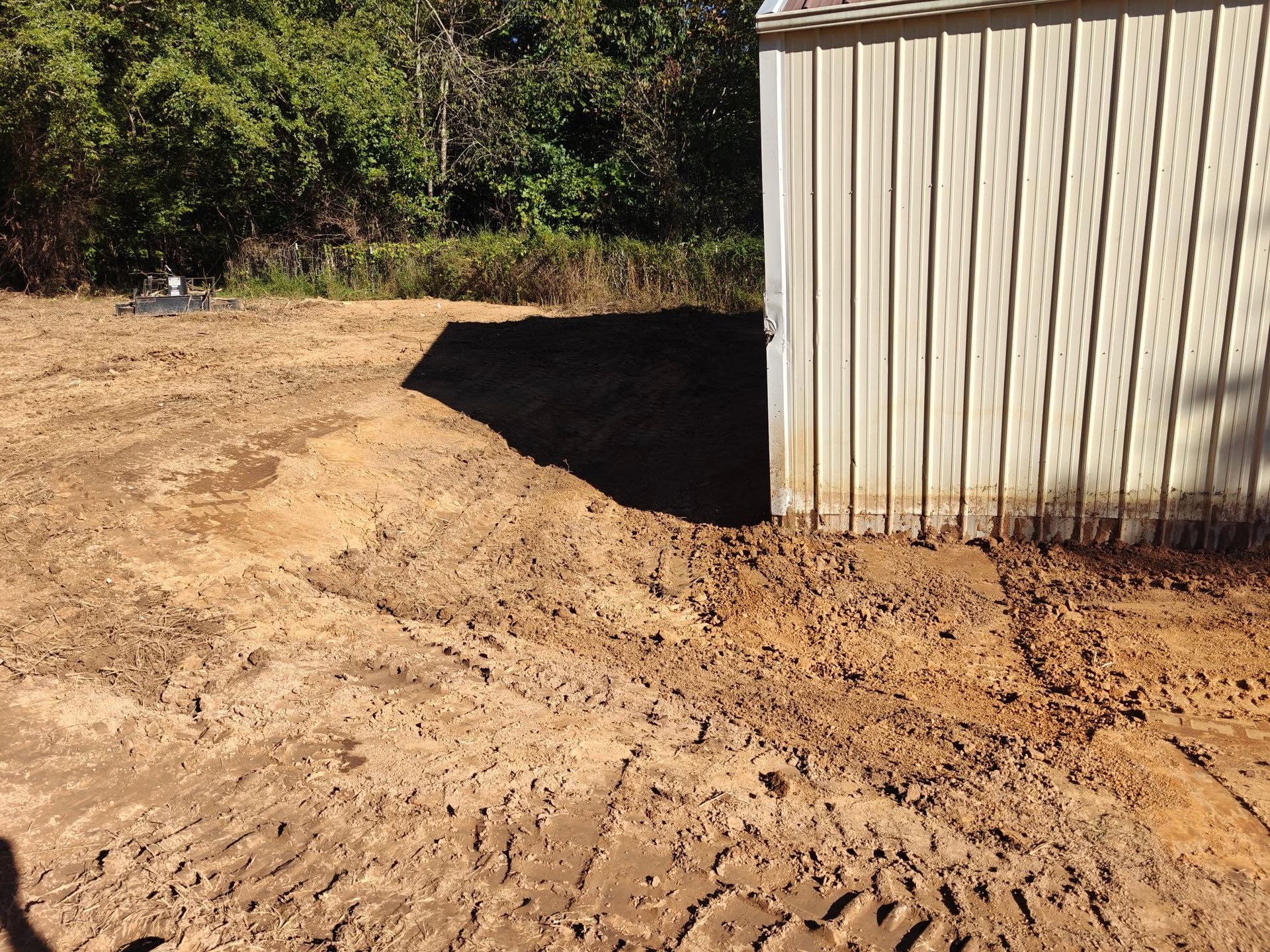
How Excavation Prevents Long-Term Driveway Failure
Excavation allows removal of soil that cannot support repeated vehicle loads without settling, which is why driveways placed directly over clay or fill develop low spots and cracking within the first year. Base material is placed in layers and compacted with equipment that verifies density, creating a platform that distributes weight and resists movement when moisture levels change in the subgrade.
After installation, the driveway surface sits at a consistent elevation with visible slope directing water toward edges or drainage features, and no areas where water collects after rainfall. The base remains stable through seasonal freeze-thaw cycles because compacted aggregate does not expand or shift like unexcavated soil.
Grading includes crown or cross-slope to prevent standing water, and the excavated depth accounts for the thickness of both base and surface materials. Driveways that will support heavier vehicles or frequent traffic require deeper excavation and thicker base layers than those used only for occasional passenger car access.
Answers to Frequent Service Questions
Driveway installation decisions involve material choices, drainage planning, and site-specific conditions.
What depth is excavated for a residential driveway?
Excavation depth varies based on soil conditions and expected vehicle loads, but typically ranges from eight to twelve inches to accommodate compacted aggregate base and surface material while reaching stable subgrade.
How is proper drainage established during installation?
The driveway is graded with a minimum two percent slope away from structures, and the excavation extends to areas where water can be directed into swales, culverts, or natural drainage paths without eroding adjacent landscaping.
What base material is used after excavation?
Crushed aggregate or gravel with a range of particle sizes is placed in layers and compacted, creating interlock that resists shifting and provides a stable platform for asphalt, concrete, or gravel surfaces.
When should driveway work be scheduled in Clarksville?
Installation is best completed during dry periods when soil conditions allow proper compaction and equipment does not create rutting, typically avoiding late winter and early spring when ground moisture is highest.
What happens to soil removed during excavation?
Excavated material is hauled off-site unless it can be used for grading in other areas of the property, with disposal depending on soil type and whether it contains clay, organic matter, or other components unsuitable for reuse.
Rock Excavation LLC prepares driveway bases to handle the load and drainage requirements specific to each property layout. Schedule an evaluation to determine excavation depth and base specifications for your driveway project.