
Rock Removed to Foundation Depth
Rock Breaking & Excavation in Clarksville for properties where bedrock prevents digging basements, installing footers, or excavating utility trenches
Bedrock that sits close to the surface stops standard excavation equipment from reaching foundation depth, blocks utility trench routes, and prevents basement construction unless the rock is broken and removed. Rock Excavation LLC provides rock breaking and excavation services in Clarksville, using hydraulic hammers and specialized equipment to fracture bedrock, remove broken sections, and excavate sites to the depth required for footers, basements, or underground utilities. Rock removal turns sites previously considered unbuildable into usable construction zones.
The process involves breaking bedrock into movable pieces using hydraulic impact hammers mounted on excavators, lifting fractured rock out of the excavation area, and continuing until the entire footprint reaches the required depth. Breaking rock generates noise and vibration, but controlled fracturing prevents damage to adjacent structures or underground lines while allowing excavation to proceed through material that resists standard digging equipment.
Arrange an on-site consultation to assess rock depth, hardness, and excavation requirements for your construction project.
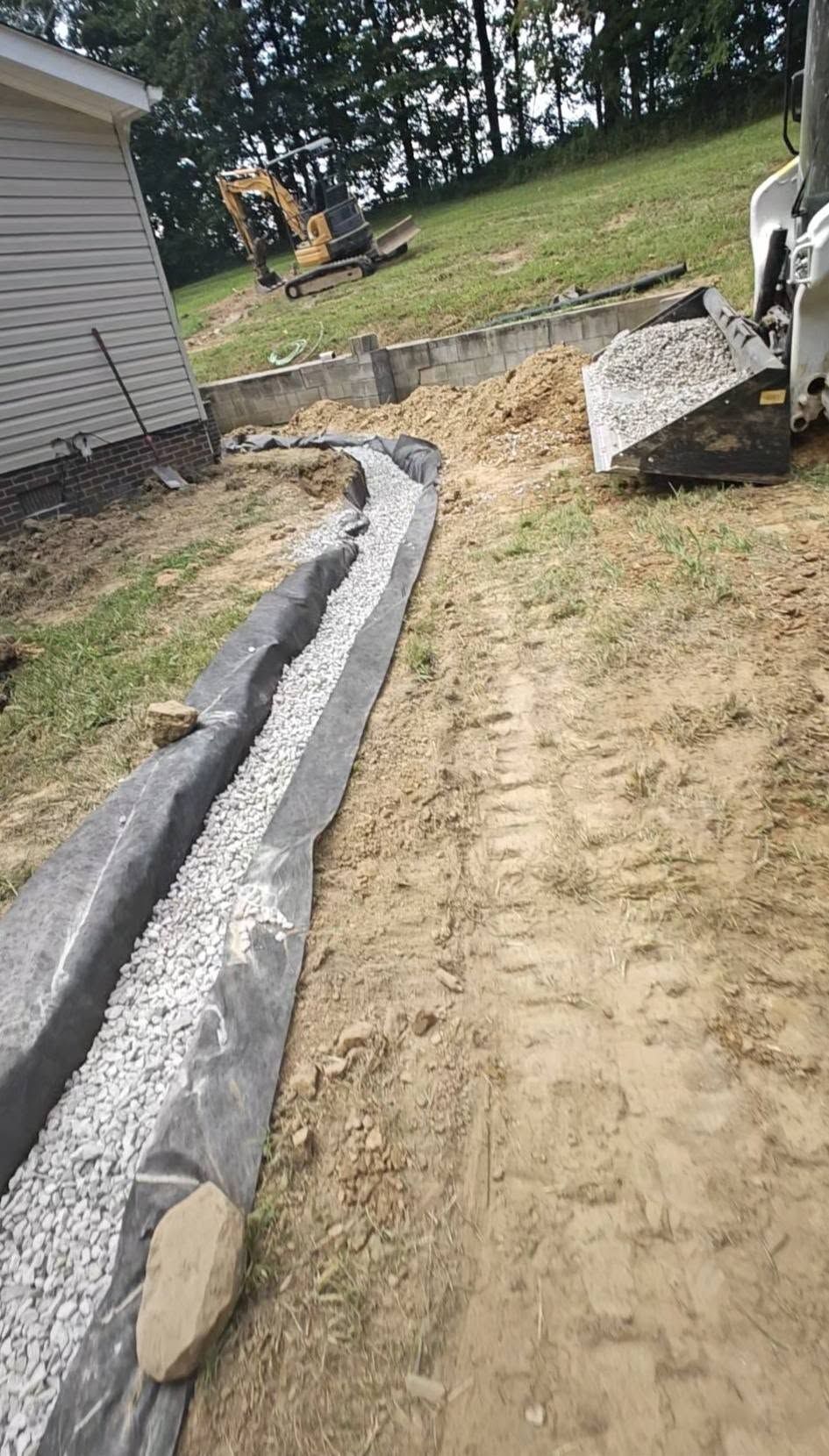
Why Rock Excavation Works for Difficult Sites
Rock breaking starts with exposing the bedrock layer by removing overlying soil, then systematically fracturing the rock using hydraulic hammers that deliver repeated high-impact blows to crack and break the stone into manageable pieces. Broken rock is lifted out with excavator buckets and hauled away, and the process repeats until the excavation reaches the depth specified for footers, basement floors, or utility installations. Sites with thick bedrock layers require more breaking and removal time compared to shallow rock that only appears in isolated sections.
Once rock is removed, your site has a clean excavation at the correct depth rather than a shallow hole that stops at bedrock level. Footers can be poured at the engineered depth required to support structural loads, basements extend to full ceiling height instead of being shortened to avoid rock, and utility trenches run at the grade and depth needed for proper function. Construction proceeds on schedule instead of being delayed or redesigned to accommodate rock that wasn't removed.
Rock excavation differs from blasting in that hydraulic breaking produces controlled fractures without explosives, which matters in residential areas where blasting permits are difficult to obtain and vibration from explosive charges would risk damaging nearby homes. Hydraulic methods allow precise depth control and produce less ground shock while still breaking through rock that standard excavation equipment cannot penetrate.
What Property Owners Usually Ask
Homeowners facing rock excavation challenges often ask these questions before breaking work begins.
How is bedrock identified before excavation starts?
Bedrock is identified through test holes, soil borings, or initial excavation attempts that encounter solid rock below the soil layer, at which point depth and extent are assessed to plan breaking work.
What equipment breaks through bedrock during excavation?
Hydraulic breakers mounted on excavators deliver high-impact hammer blows that fracture rock into removable pieces, using focused force to crack bedrock without relying on explosives or blasting.
How deep can rock be excavated for basement construction in Clarksville?
Rock can be excavated to any depth required for basements or footers, though deeper excavations require more breaking and removal time as the volume of rock increases with depth.
What happens to broken rock after it's removed from the excavation?
Broken rock is hauled away and disposed of at facilities that accept clean fill material, or in some cases it's crushed and reused as base material for driveways or other site applications if the rock quality is suitable.
How long does rock breaking take compared to standard excavation?
Rock breaking takes longer than digging through soil because bedrock must be fractured into pieces before removal, with timing depending on rock hardness, depth, and the total volume that requires breaking.
Rock Excavation LLC handles difficult excavation sites throughout Clarksville where bedrock interferes with construction. Request an evaluation to determine rock breaking requirements and project timelines for your specific site conditions.